
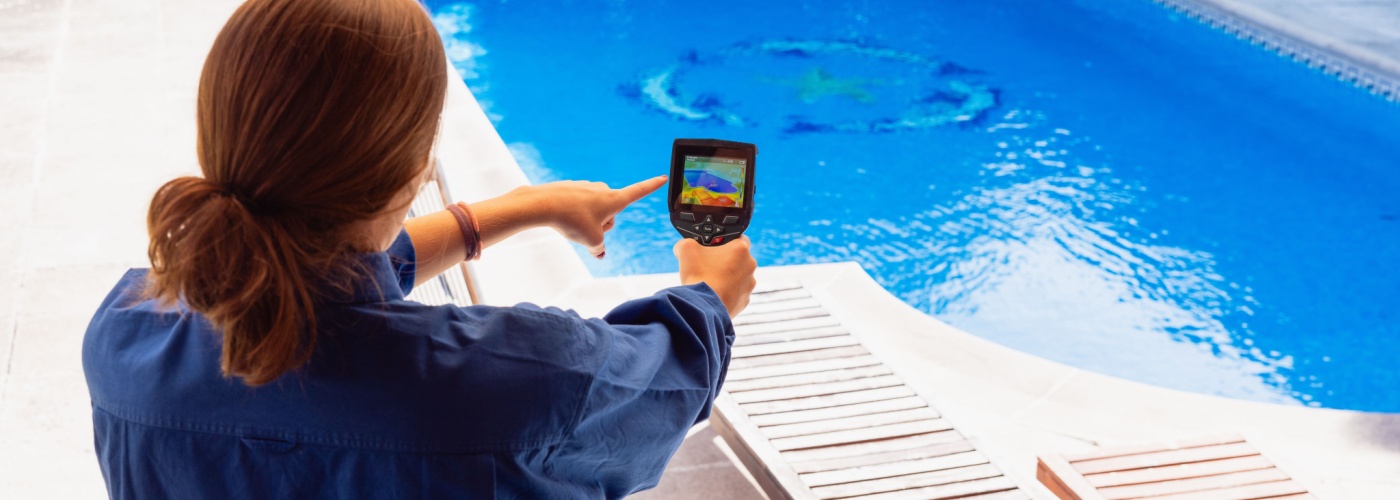
A pool is meant for relaxation, not stress, but a surprise leak can turn your oasis into a headache. If you’ve been noticing unusual water loss, it’s crucial to identify the source of the problem.
This article covers essential ways to find a pool leak, ensuring you can enjoy your pool without worry. Get ready to regain peace of mind while keeping your pool in top shape!
Tips To Find A Pool Leak
Finding a pool leak requires careful observation and simple testing methods. Some leaks appear quickly, while others develop slowly over time.
Even small leaks can waste thousands of gallons of water if left unchecked. Using multiple detection methods improves accuracy and confidence.
Each testing method reveals different leak types. Combining visual inspections with controlled tests gives the best results.
Take notes during testing and track water levels daily. Consistent loss patterns help identify the leak source faster.
Perform a Dye Test Around Suspected Leak Points
The dye test is a reliable way to confirm visible leaks. It works best when water remains completely still. Turn off the pool pump and allow several minutes for the movement to stop. Choose food coloring or leak detection dye.
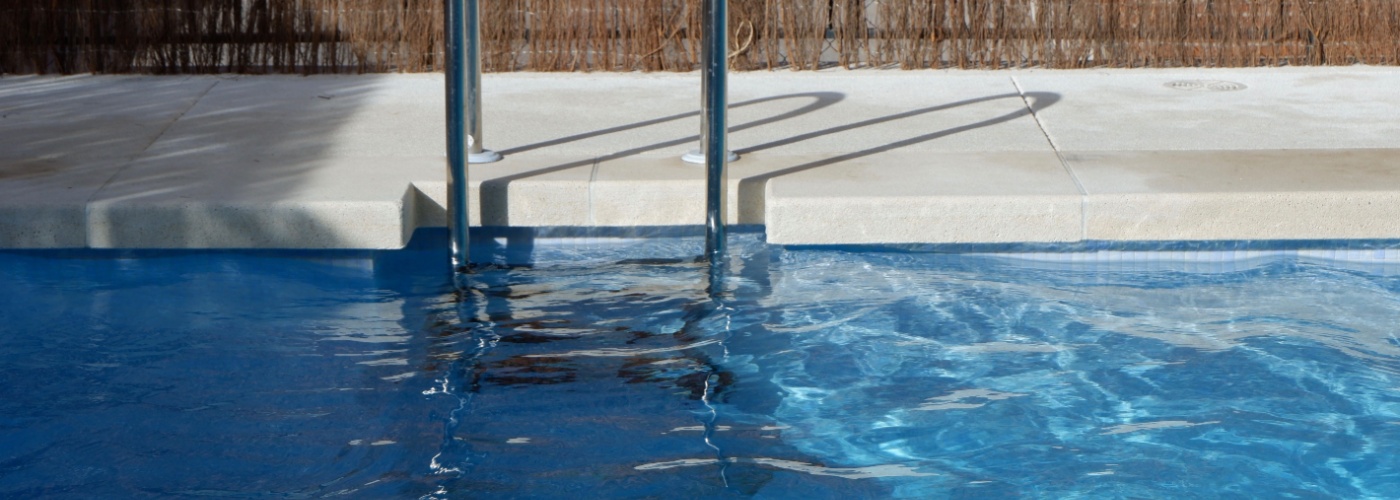
Slowly squeeze dye near cracks, fittings, lights, and skimmer openings. Observe how the dye behaves in water. If dye moves directly into a crack or fitting, a leak exists there. This reaction shows water escaping.
Dye tests are effective for identifying leaks around returns and steps. They also work near tile lines. Repeat the test in several areas to confirm results. Testing once may miss multiple leak points.
This method requires patience and steady hands. Rushing the test can create inaccurate results. Dye testing does not detect underground leaks. It focuses on surface-level and structural issues.
Run a Bucket Test to Compare Evaporation vs Leakage
The bucket test helps determine whether water loss is normal evaporation. This test works for all climates. Fill a bucket with pool water and place it on a step. Ensure the bucket sits partially submerged.
Mark the water level inside the bucket and on the pool wall. Turn off auto-fill systems. If the pool loses more water than the bucket, a leak is likely present. This confirms abnormal water loss.
Leave the bucket in place for at least 24 hours. Avoid swimming during the test period. The weather should remain stable for accurate results. Strong wind or rain may affect measurements.
Repeat the test with the pump running and off. Differences may indicate plumbing or circulation leaks. This test is simple and cost-free. It helps narrow down the cause before advanced testing and looking at your pool decking.
Pressure Test Lines To Find Hidden Leaks
Pressure testing locates leaks hidden inside underground plumbing lines. These leaks often remain invisible for years.
Professionals seal plumbing lines and pressurize them with air or water. Specialized gauges monitor pressure changes. A pressure drop indicates a leak within that line. The test identifies which line is affected.
Hidden plumbing leaks can cause soil erosion and pool foundation damage. Early testing prevents major repairs.
Pressure testing works for return lines, skimmer lines, and cleaner lines. Each line is tested separately. Once the leaking line is found, further tools locate the exact break. Repairs become more precise.
This method requires experience and proper equipment. Incorrect testing may damage pool plumbing. Pressure testing is ideal when surface tests show no visible leaks. It confirms underground problems.
Inspect the Pump Lid O-Rings
Pump lid O-rings seal the pump housing and maintain pressure. Damaged O-rings cause slow leaks. Turn off the pump before removing the lid. Carefully lift the O-ring from its groove.
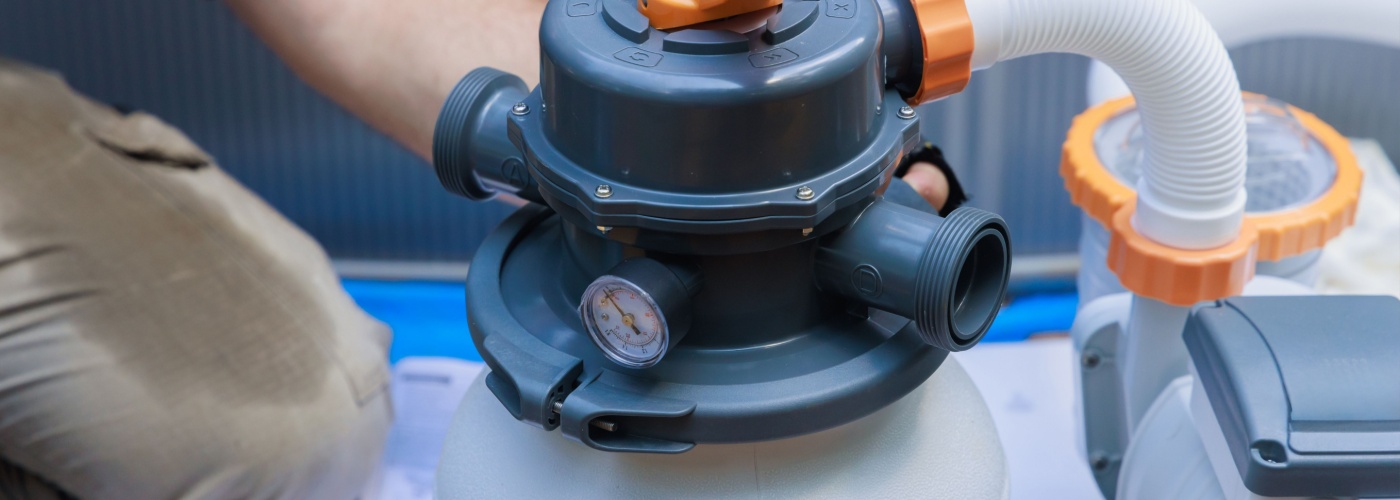
Inspect the O-ring for cracks, flattening, or dryness. Even minor wear can cause leaks. A worn O-ring allows air and water loss, reducing circulation efficiency. This affects overall pool performance.
Clean reusable O-rings and apply pool-safe lubricant. Replace O-rings showing visible damage. Check the pump lid for debris or warping. A poor seal can mimic O-ring failure.
Regular inspections help catch problems early. O-ring replacement is affordable and quick. Ignoring this small component can lead to larger equipment issues. Simple maintenance prevents leaks.
Consider A Pool Resurfacing Service
Pool surfaces wear down over time from chemicals and weather. Aging surfaces often develop cracks. Plaster, concrete, and fiberglass surfaces may lose their waterproof barrier. Water escapes through micro-cracks.
Resurfacing restores the pool shell and seals hidden leak pathways. It provides long-term protection. Professionals inspect the entire surface before resurfacing begins. Damaged areas are repaired first.
Resurfacing improves both appearance and water retention. It also enhances swimmer comfort. This service extends the life of older pools significantly. It prevents recurring leak problems.
If leaks continue despite repairs, resurfacing may be necessary. It addresses structural causes directly. While resurfacing requires investment, it reduces future repair costs. It delivers lasting peace of mind.
More to Read
What Causes Cracks in Swimming Pool Surfaces?
Cracks in a swimming pool can appear for several reasons, ranging from construction problems to
Oct
What To Consider Before Adding A Fire Feature Near Your Pool
A fire feature can completely change the look and feel of an outdoor living space,
Sep
How To Create A Resort-Style Backyard With a Custom Pool Installation
A beautiful outdoor space can feel like a private vacation destination when it is designed
Aug