
Choosing the right finish for a swimming pool is an important decision for any homeowner. The pool surface affects how it feels, how it looks, and how long it will last.
This article compares pebble vs plaster and explains the key differences pool owners should understand before selecting a finish.
Comparing Pebble vs Plaster For Pools
Many homeowners compare pebble vs plaster when deciding which finish to use in their swimming pool. Both options are common in residential pools and each offers different benefits. The right choice often depends on comfort, appearance, durability, and long-term cost.
Plaster has been used as a pool finish for many decades. It is made from a mixture of cement, sand, and water that creates a smooth surface and gives pools a classic appearance. Because of its simple composition, plaster is usually one of the most affordable pool finish options.
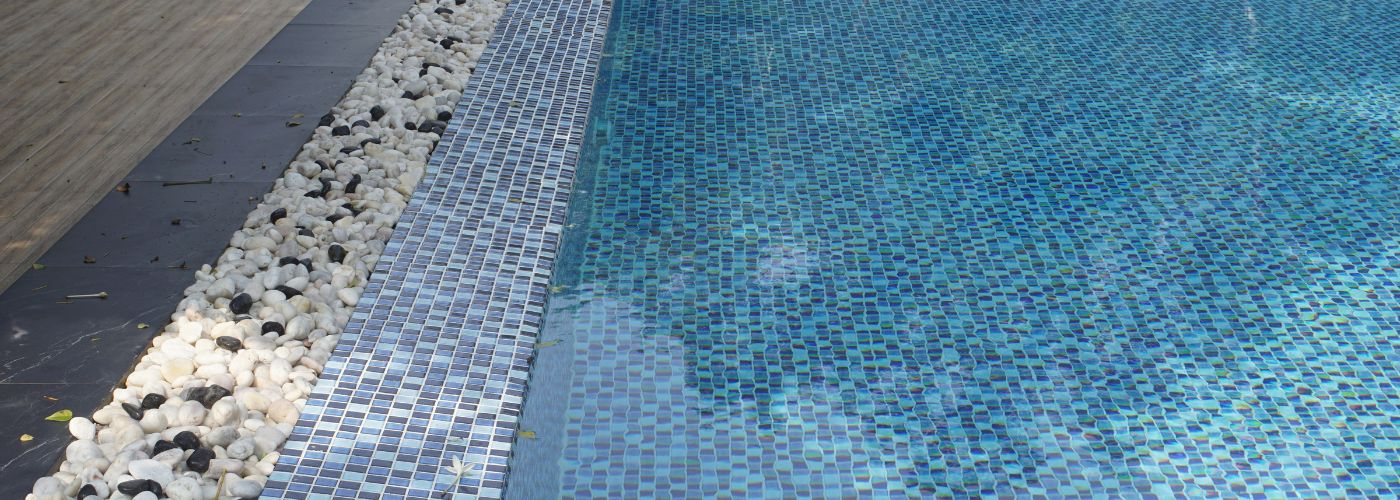
Pebble finishes are created by mixing small natural stones with cement. These stones form a textured surface that is generally stronger than traditional plaster. The natural materials can also give pools a more decorative and modern look.
The choice between these finishes often depends on how long you want the surface to last and how much maintenance you are willing to manage.
Texture, Comfort, and Swim Experience
One of the first things swimmers notice is how the pool surface feels under their feet. When comparing pebble vs plaster, the texture difference becomes noticeable. Plaster surfaces are known for being smooth and comfortable, which many swimmers enjoy when walking along the pool floor or sitting on steps.
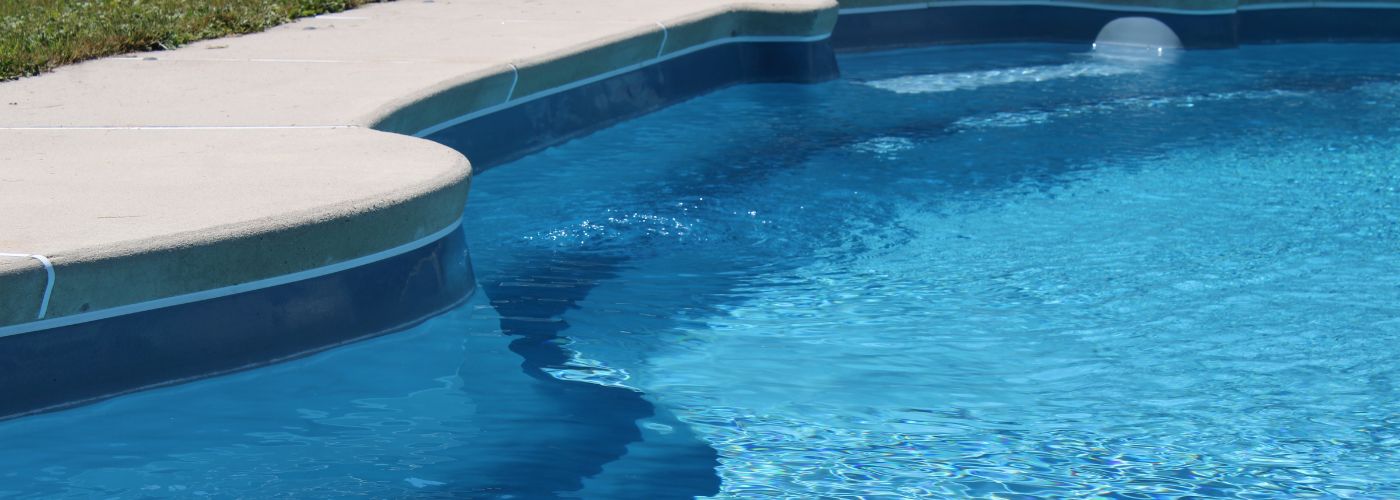
The smooth surface of plaster can create a traditional swimming experience. Swimmers can move across the pool walls and floor easily without much resistance. For some homeowners, this comfortable feel is one of the main reasons they choose plaster.
Pebble finishes feel different because they contain small stones. These stones create a lightly textured surface. The texture is not sharp, but it feels more natural compared to plaster.
The slight texture can provide better traction on steps, shallow areas, and pool floors, which may help reduce slipping. This extra grip can be helpful for families with children or anyone who wants more stability when entering or leaving the pool.
Lifespan and Resistance to Wear
Durability is a major factor when comparing pebble vs plaster pool finishes. Pool surfaces are constantly exposed to water, chemicals, and sunlight, which can slowly affect the material over time.
Plaster finishes typically last between 7 and 12 years before resurfacing becomes necessary. As plaster ages, it may begin to show stains, discoloration, or small cracks. These changes are common and usually appear gradually.
Another issue plaster pools may experience is etching. This happens when water chemistry becomes unbalanced and begins wearing away the plaster surface.
Pebble finishes are known for their longer lifespan. In many cases, pebble surfaces can last between 15 and 20 years before needing replacement. This added strength helps pebble surfaces maintain their appearance and structure longer in many pools.
Although pebble may cost more at the beginning, the longer lifespan can sometimes balance the higher installation price over time.
Installation Process and Time
The installation process can also influence a homeowner’s decision when comparing pebble vs plaster pool finishes. Both materials require professional installation and proper preparation of the pool shell.
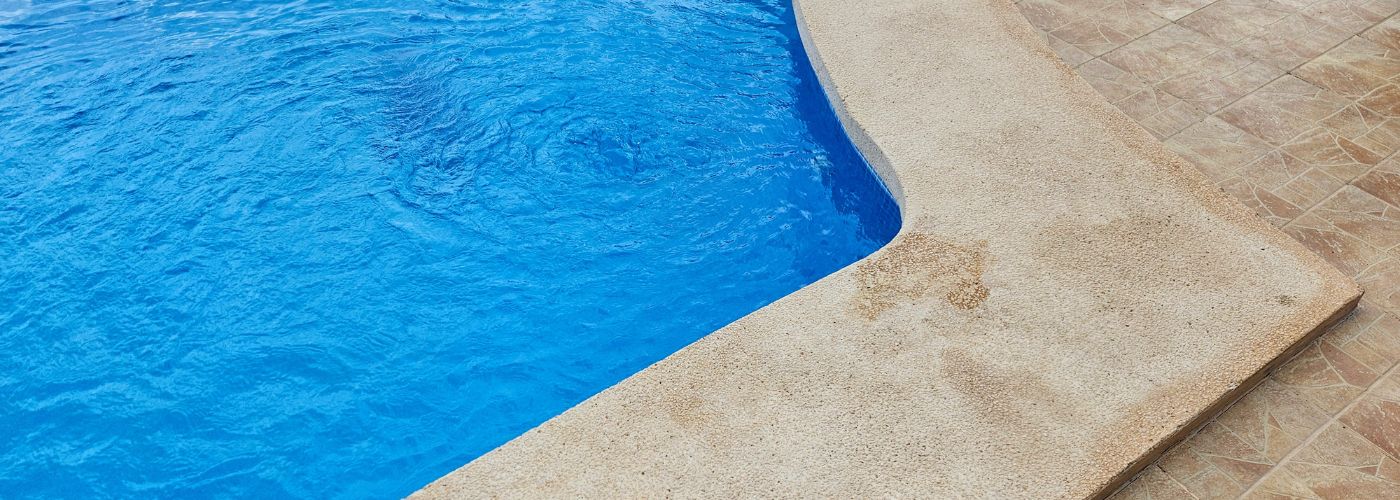
Plaster installation is usually faster. The plaster mixture is spread across the pool surface in a smooth layer and then allowed to cure before the pool is filled with water. In many cases, this process can be completed within a few days.
Pebble finishes require a slightly more detailed process. After the pebble mixture is applied, the surface must be carefully washed or brushed to expose the small stones.
This additional step creates the natural textured appearance that pebble finishes are known for.
While installation can take a little longer, many homeowners feel the finished look is worth the extra time. The total timeline may also vary depending on pool size and contractor experience.
Upkeep and Long-Term Maintenance
Every swimming pool requires regular maintenance, regardless of the finish. However, maintenance needs can differ when comparing pebble vs plaster surfaces.
Plaster surfaces require careful monitoring of water chemistry. If the water becomes too acidic or too alkaline, it may damage the plaster. Pool owners with plaster finishes often brush the pool walls frequently to help prevent algae buildup and staining.
Plaster can also show stains more easily than pebble surfaces. Minerals, leaves, and chemical imbalances may leave visible marks on the surface over time.
Pebble finishes are generally more resistant to stains and chemical damage. The natural stones create a protective layer that helps reduce surface erosion.
This durability can make pebble finishes easier to maintain over long periods. While pebble pools still require regular cleaning and balanced water chemistry, they often hide minor stains better than plaster.
Visual Style and Color Options
Appearance is another important factor when comparing pebble vs plaster pool finishes. The pool surface plays a large role in how the water looks and how the pool fits into the surrounding backyard design.
Plaster finishes are usually available in simple colors such as white, light blue, or light gray. These shades often create the bright blue water appearance many people associate with traditional swimming pools.
Pebble finishes offer more variety in color and design. Because the finish contains natural stones, manufacturers can blend different shades to create unique styles.
Pools finished with pebble can produce deeper water tones such as dark blue, teal, or lagoon-style colors.
Both finishes can create attractive pools. The best choice depends on whether a homeowner prefers the traditional smooth appearance of plaster or the more natural style created by pebble finishes.
More to Read
What To Consider Before Adding A Fire Feature Near Your Pool
A fire feature can completely change the look and feel of an outdoor living space,
Sep
How To Create A Resort-Style Backyard With a Custom Pool Installation
A beautiful outdoor space can feel like a private vacation destination when it is designed
Aug
Top Pool Remodel Signs
A swimming pool should be a place where you can relax, entertain guests, and enjoy
Jul