
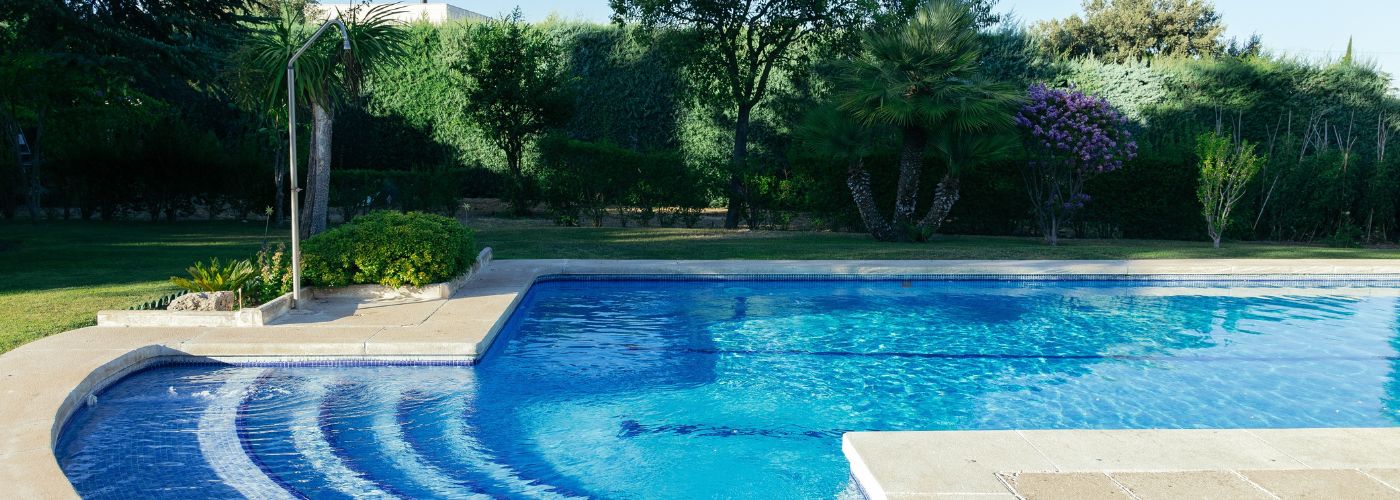
Pool plaster is constantly exposed to outdoor conditions, and strong sunlight can slowly wear down the surface over time. Heat, UV rays, and changing water chemistry all play a role in damaging plaster and shortening its lifespan.
This article goes over the different ways sun exposure impacts pool plaster and what pool owners should watch for.
Ways Sun Exposure Impacts Pool Plaster
Understanding how sun exposure impacts pool plaster is important for keeping a swimming pool in good condition for years to come. Pool plaster is designed to create a smooth, protective finish inside the pool, but direct sunlight can slowly weaken that surface.
Over time, UV rays and high temperatures can dry out the plaster, affect the water chemistry, and increase visible wear across the pool interior.
Many pool owners focus mainly on cleaning and water maintenance, but sunlight is another major factor that affects the condition of the plaster.
Pools located in hot climates or areas with intense sunlight often experience faster aging and surface damage compared to pools in shaded areas. Paying attention to these effects early can help prevent expensive resurfacing and repairs later on.
Breaks Down Chemical Balance in the Water
Another major reason sun exposure impacts pool plaster is that sunlight changes the chemical balance of pool water. Strong UV rays quickly reduce chlorine levels, making it harder to maintain stable water chemistry.
When sanitizer levels drop too low, the water can become more acidic or unstable, which directly affects the plaster surface.
Unbalanced water slowly eats away at plaster and weakens its protective finish. Acidic water can cause etching, leaving behind rough spots and uneven textures throughout the pool.
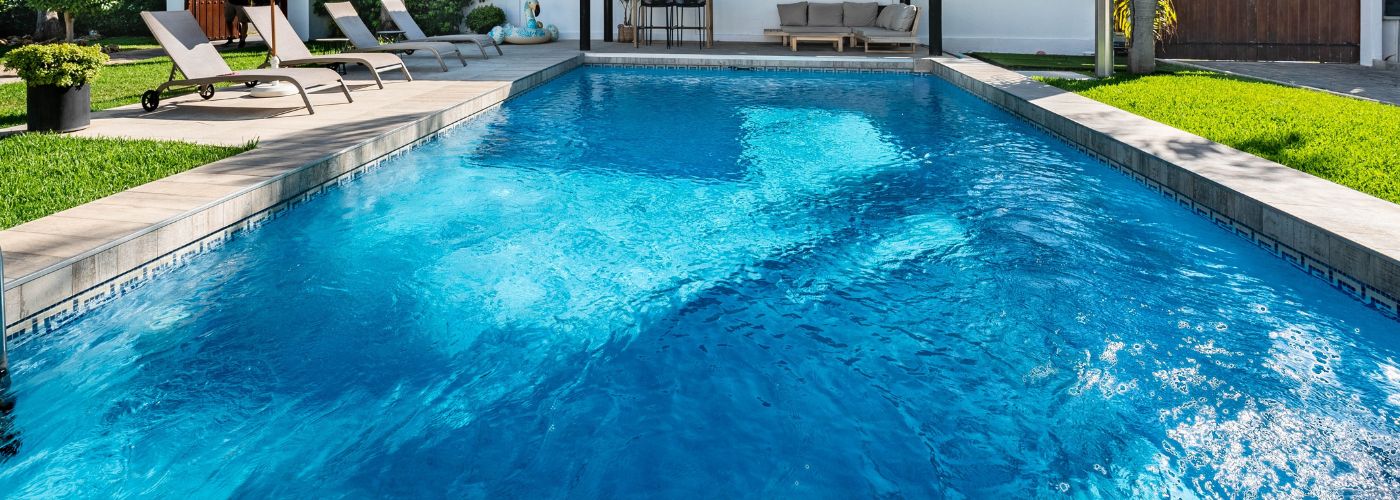
Over time, the plaster loses its smooth appearance and becomes more vulnerable to additional wear. Poor water chemistry caused by excessive sunlight can shorten the lifespan of pool plaster much faster than many homeowners realize.
High temperatures also increase water evaporation, which changes mineral concentrations inside the pool. As evaporation rises, pool owners often need to add more chemicals and water to maintain balance. Without consistent monitoring, these shifts can create long-term damage that becomes difficult to reverse.
Accelerates Surface Drying and Cracking
One of the biggest ways sun exposure impacts pool plaster is by speeding up surface drying. Constant heat from the sun removes moisture from the plaster over time, especially during extremely hot weather.
When plaster repeatedly expands in the heat and contracts as temperatures cool down at night, small stress fractures can begin to form. These cracks may start small, but they can grow larger if ignored.
Cracking also becomes more common when water levels drop and expose parts of the plaster directly to sunlight for long periods. Areas near the waterline are especially vulnerable because they experience both direct UV exposure and constant moisture changes.
Even minor cracks can allow water to penetrate beneath the plaster, creating larger structural issues if repairs are delayed.
In severe cases, surface drying can lead to plaster delamination, where sections begin separating from the pool shell. Once this occurs, repairs become more expensive and time-consuming. Regular inspections and maintaining proper water levels can help reduce the risk of heat-related plaster damage.
Causes Fading and Color Loss
Pool owners often notice discoloration because sun exposure impacts pool plaster by fading its original color. UV rays slowly break down pigments used in colored plaster finishes and pool coping, causing surfaces to lose their rich appearance.
Darker plaster colors usually fade faster because they absorb more heat and sunlight throughout the day.
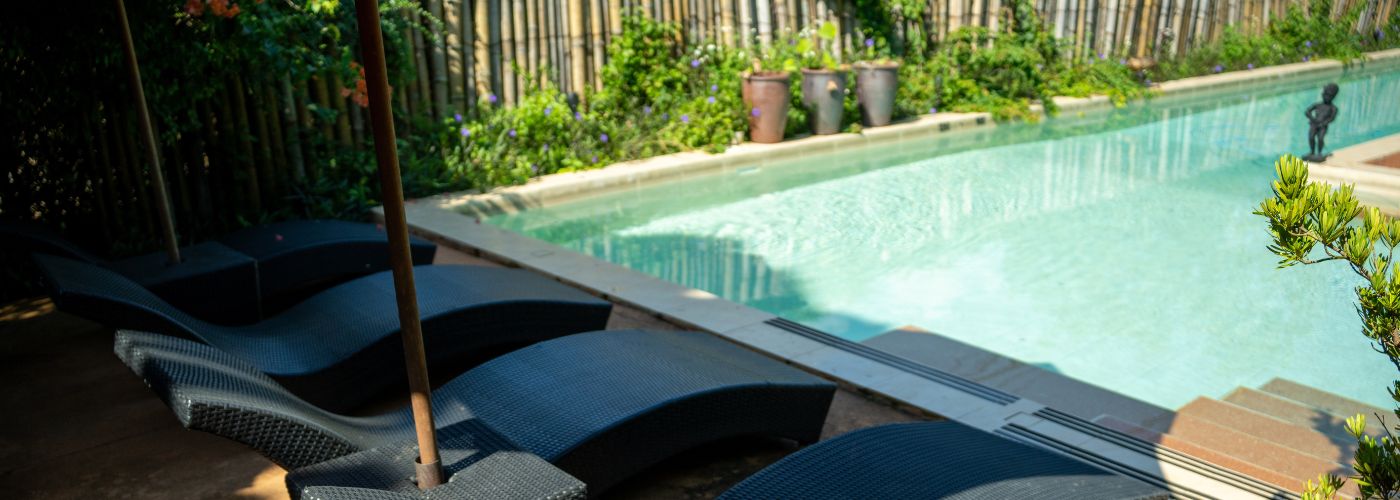
Color fading may appear uneven across the pool, especially in areas receiving the most direct sunlight. Some sections may become lighter while shaded areas remain darker, creating an inconsistent appearance.
This can make even a well-maintained pool look older and worn before its time. Extended UV exposure can permanently alter the visual appearance of plaster, even when the surface itself remains structurally intact.
Fading is often gradual, making it difficult to notice at first. However, after several seasons of strong sun exposure, the difference becomes much more noticeable. While proper maintenance can slow discoloration, no plaster surface is completely immune to long-term UV damage.
Increases Surface Roughness and Wear
There are several physical changes that happen because sun exposure impacts pool plaster over the years. Constant heat and UV rays slowly weaken the outer layer of plaster, causing the surface to become rougher.
This rough texture is not only uncomfortable for swimmers but can also trap dirt, algae, and debris more easily.
As plaster roughness increases, pool cleaning becomes more difficult because contaminants cling to the uneven surface. Pool brushes and automatic cleaners may need to work harder to keep the pool clean.
In addition, rough plaster can cause small cuts or scrapes on swimmers’ feet and hands. A once smooth pool surface can become abrasive and uncomfortable when exposed to years of intense sunlight and heat.
Surface wear is often accelerated in pools that experience constant temperature changes. The repeated cycle of heating and cooling gradually weakens the plaster’s outer finish. Over time, erosion becomes more visible, especially in older pools that have not been resurfaced in many years.
Contributes to Calcium Scaling and Discoloration
Many pool owners discover that sun exposure impacts pool plaster by increasing calcium buildup and staining. High temperatures caused by direct sunlight speed up water evaporation, leaving behind concentrated minerals like calcium. These minerals settle onto the plaster surface and create hard white deposits known as calcium scaling.
Scaling can make pool plaster look dirty, cloudy, or heavily stained, even when the water appears clean. The rough deposits often stick firmly to the surface, making them difficult to remove without professional cleaning methods.
Over time, heavy scaling can weaken the plaster and create permanent discoloration. Excessive mineral buildup caused by prolonged sun exposure can damage both the appearance and durability of pool plaster.
Sunlight can also worsen metal staining from minerals like iron and copper. When these minerals react with heat and pool chemicals, dark stains may develop across the plaster surface. These discolorations often become more noticeable in lighter-colored plaster finishes and may require specialized treatment to remove completely.
Preventing calcium scaling usually requires regular water testing, balanced chemical levels, and consistent cleaning. Pools exposed to intense sunlight often need more frequent maintenance to prevent mineral buildup from becoming a serious issue.
By staying proactive, pool owners can reduce long-term plaster damage and maintain a cleaner, more attractive swimming pool.
More to Read
What To Consider Before Adding A Fire Feature Near Your Pool
A fire feature can completely change the look and feel of an outdoor living space,
Sep
How To Create A Resort-Style Backyard With a Custom Pool Installation
A beautiful outdoor space can feel like a private vacation destination when it is designed
Aug
Top Pool Remodel Signs
A swimming pool should be a place where you can relax, entertain guests, and enjoy
Jul