
When planning a swimming pool, one of the biggest choices is the surface finish. Homeowners often compare natural vs synthetic pool surface finishes to find the right balance between beauty, comfort, and maintenance.
Each option has distinct advantages that affect the look, feel, and performance of the pool. Understanding both types helps you choose a finish that fits your lifestyle, design goals, and budget.
Differences Between Natural vs Synthetic Pool Surface
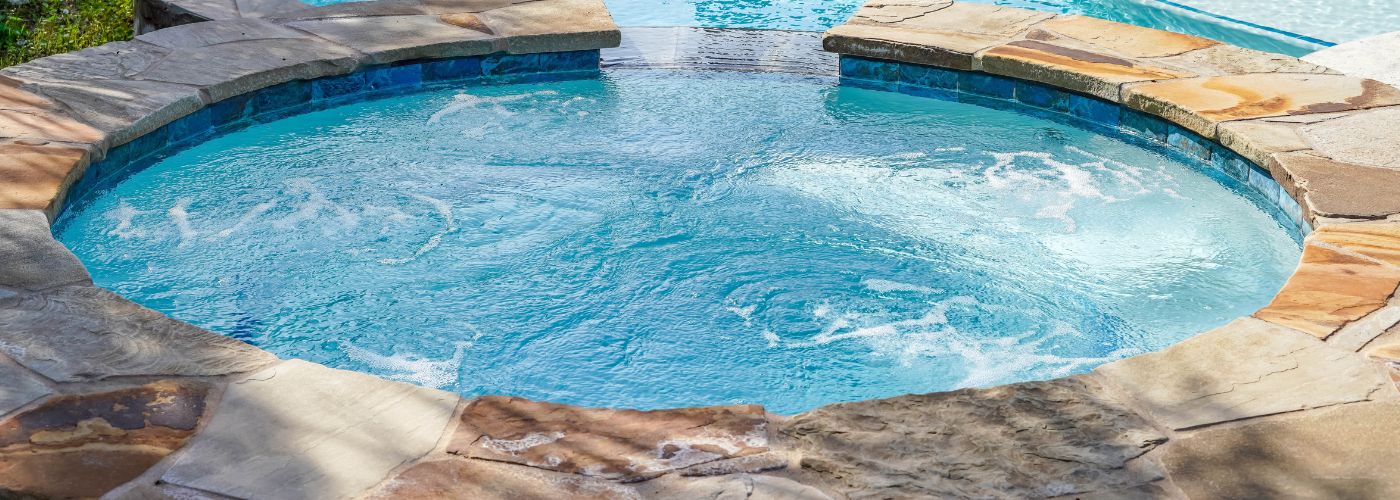
Natural surfaces often use materials like stone, pebble, or marble. They provide an earthy aesthetic that blends beautifully with outdoor spaces. Each natural surface has a unique texture, creating a one-of-a-kind swimming experience. Many homeowners love the variation in color and pattern that only nature can provide.
Synthetic finishes, such as fiberglass, vinyl, and certain plaster blends, are designed for consistency and simplicity. They give pools a polished, uniform appearance and tend to be easier to maintain.
When comparing natural vs synthetic pool surface finishes, it comes down to personal preference—organic character or modern precision. Both pool surface types can perform well and look great. Natural finishes emphasize individuality and natural charm, while synthetic finishes highlight ease and practicality.
Comparing Heat Absorption Rates For These Materials
Heat absorption is an important consideration, especially in warm climates. Natural materials like stone or pebble can absorb more sunlight, becoming warm underfoot on hot days. This can feel nice during cooler mornings, but may get too hot by afternoon. Proper shading and lighter-colored stone can help manage heat levels.

Synthetic materials such as fiberglass or vinyl generally stay cooler because they reflect more sunlight. This can improve comfort for swimmers and reduce the risk of hot surfaces. Both types can be made more comfortable through color choice and thoughtful pool design.
A Look At Durability and Longevity
Durability is another key factor when comparing these surfaces. Natural materials, including stone and marble, are long-lasting and sturdy. They can resist years of wear if properly sealed and maintained. However, they may need occasional resealing or minor repairs to stay smooth and safe.
Synthetic finishes like fiberglass and vinyl are engineered for strength and flexibility. They resist cracking and fading well, even under constant water exposure. These surfaces usually require fewer repairs over time but may eventually need replacement after many years of use.
Both natural and synthetic finishes can last for decades with proper care. Longevity often depends more on maintenance and pool usage than on material type. A well-cared-for pool surface, whether natural or synthetic, can provide lasting beauty and function.
Installation Timeframes For Natural vs Synthetic Pool Finishes
Installation time differs between these materials. Natural finishes like stone, pebble, or tile take longer to install because each piece is placed by hand. This careful process ensures a customized and detailed appearance. It’s ideal for homeowners who appreciate craftsmanship and a tailored design.
Synthetic finishes such as fiberglass or vinyl are quicker to install. Many fiberglass pools are pre-formed and set in place, while vinyl liners are custom-cut for fast fitting. This shorter installation time helps reduce construction periods and overall costs.

Whether you choose natural or synthetic, professional installation is important. A skilled installer ensures smooth surfaces, safe finishes, and long-term performance. The right technique makes both options durable and visually appealing.
Routine Care For Natural Surfaces vs Synthetic Surfaces
Maintenance is essential for every pool surface. Natural materials require regular cleaning and occasional sealing to prevent buildup and discoloration. Proper care helps natural finishes stay beautiful and prevents them from becoming slippery or rough.
Synthetic finishes, like fiberglass and vinyl, generally need less frequent maintenance. Their smooth surfaces resist algae and staining. They’re easy to clean, which saves time and effort for busy homeowners. However, even synthetic pools benefit from regular inspections to spot wear or damage early.
When comparing natural vs synthetic pool surface finishes, both need consistent attention. Natural surfaces reward hands-on care with unique beauty, while synthetic surfaces offer convenience with simple upkeep. Good maintenance extends the life and safety of any pool surface.
Looking Surface Feel For Swimmers
The feel of a pool design and surface can shape the entire swimming experience. Natural materials like pebble or stone offer more texture, which can improve traction and reduce slipping. Many swimmers enjoy the natural, grounding feel of these finishes. However, they can sometimes feel coarse or uneven for sensitive feet.
Synthetic finishes are smooth and consistent, giving swimmers a soft and gentle feel. Fiberglass and vinyl surfaces are often preferred by families with young children for their comfort. Some coatings can also add a mild texture for better grip.
Both options can be safe and enjoyable with proper design. Choosing between natural vs synthetic pool surface finishes depends on whether you prefer texture and character or smoothness and simplicity. You can even combine both—using natural stone for pool decks and synthetic finishes for the interior.
Ultimately, both natural and synthetic surfaces can deliver beauty, safety, and performance. The decision depends on your priorities—whether it’s the artistic charm of natural stone or the low-maintenance ease of synthetic materials. When comparing natural vs synthetic pool surface finishes, focus on comfort, maintenance, and design harmony with your space.
With the right choice and care, your pool will remain inviting, safe, and stunning for years to come. No matter which material you choose, quality installation and regular maintenance make all the difference.
More to Read
How To Deal With Issues During Pool Installation
Installing a swimming pool is an exciting investment that can transform your backyard into a
Mar
Ways To Find A Pool Leak
A pool is meant for relaxation, not stress, but a surprise leak can turn your
Feb
Tips For Pool Design With CAD Drawings
Designing a pool can feel overwhelming, but it doesn’t have to be! Utilizing CAD drawings
Jan