
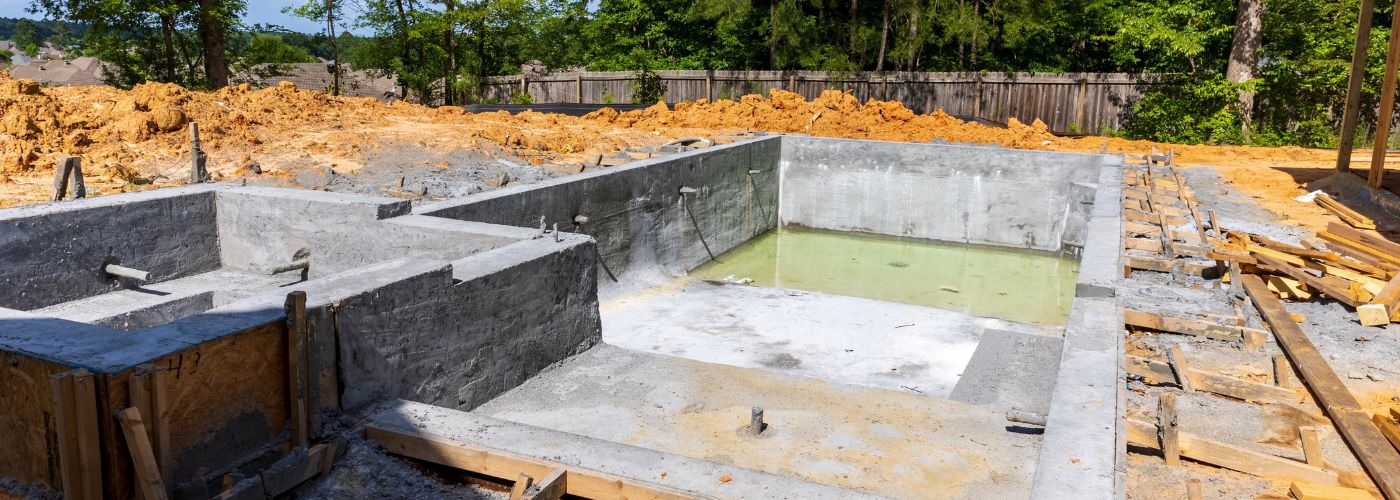
Installing a swimming pool is an exciting project, but many homeowners want to know how long the process will actually take from start to finish. Several factors can affect the overall timeline, including design choices, permits, weather, and property conditions.
This article goes over the most common factors that can impact pool installation timelines and what homeowners should expect during construction.
Average Pool Installation Timelines for Pools
The average timeline for installing a swimming pool depends on the type of pool, the size of the project, and the level of customization involved. In most cases, residential pool installation projects take around 60 to 90 days to complete from the start of construction.
Simpler pool designs with fewer upgrades may move faster, while larger pools or projects with custom features often require additional time and coordination.
Several important stages are involved during the installation process, including design planning, permit approval, excavation, plumbing, electrical work, structural installation, finishing, and landscaping.
Each phase must be completed carefully and in the proper order to ensure the pool is built safely and functions correctly. Delays during one part of construction can impact the rest of the schedule, which is why experienced contractors carefully manage each stage of the project.
Although many pool installation projects are completed within 60 to 90 days, certain conditions can extend the timeline beyond the original estimate. Weather delays, permit issues, material shortages, difficult soil conditions, or design changes during construction can all increase the amount of time needed to finish the project. Every property presents different challenges, so timelines can vary from one installation to another.
Good communication between homeowners and contractors can help keep the project moving as efficiently as possible. Making timely decisions about finishes, materials, and design selections can prevent avoidable delays during construction.
When homeowners understand the process and remain flexible with scheduling, the installation experience is often much smoother from start to finish.
How Custom Pool Features Impact Overall Build Time
Custom features can significantly increase the amount of time required to complete a pool installation project. While additions such as waterfalls, spas, tanning ledges, fire features, and built-in seating can improve the appearance and functionality of a pool, they also require extra planning, construction, and coordination.
Each custom element adds another layer of work that must be carefully completed before the project can move forward.
For example, installing a spa may require additional plumbing, electrical systems, and structural support. Waterfalls and decorative features often involve custom stonework and specialized installation techniques that take additional time to complete properly.
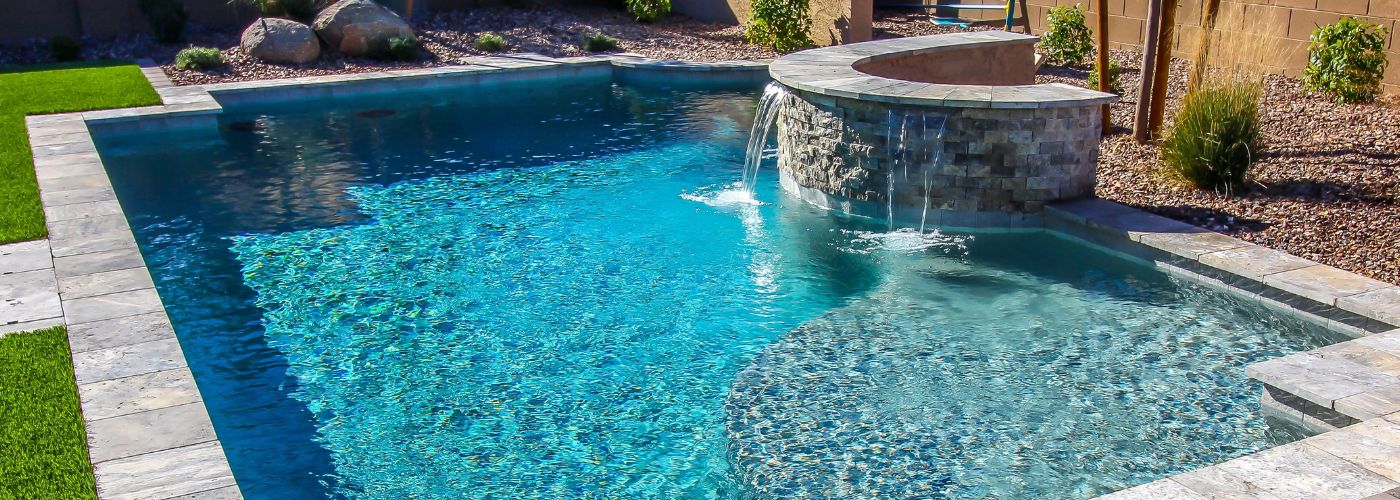
Pools with advanced lighting systems, automation controls, or custom tile work also require more detailed labor compared to standard pool designs.
The more customized the pool design becomes, the more likely the construction timeline will expand due to the added complexity of the project. In many cases, specialty materials may also need to be ordered specifically for the project, which can increase waiting periods depending on product availability.
Although custom features may extend the timeline, many homeowners feel the extra time is worth the investment because these upgrades create a more personalized outdoor environment. Proper planning during the early design stage can help reduce unnecessary delays and ensure all custom elements are incorporated efficiently into the overall schedule.
How Permit Approval Delays Can Slow Down Pool Construction
Before construction can begin, most pool projects require permits and inspections from local building departments. Permit approval is one of the most common reasons pool installation projects experience delays. Local governments often review construction plans carefully to ensure the project meets safety regulations, zoning laws, and building codes.
The approval process can vary greatly depending on the city, county, or municipality where the property is located. Some areas process permits quickly, while others may require several weeks for approval. In certain situations, corrections or revisions may be requested before permits are issued, which can further extend the timeline.
Even when construction crews are ready to begin, work often cannot legally start until all required permits have been fully approved. This waiting period can be frustrating for homeowners who are eager to begin construction, but permits are an important part of ensuring the project is built safely and correctly.
Permit delays can also occur during different stages of construction if inspections are required before work can continue. Electrical systems, plumbing, and structural components may all need approval from inspectors before the next phase begins. Contractors who are familiar with local regulations can often help streamline the process and reduce unnecessary scheduling issues.
How Material Availability Affects Completion
The availability of construction materials can also impact how quickly a pool installation is completed. Modern pool projects rely on many different materials, including concrete, tile, plumbing equipment, lighting systems, decking materials, and surface finishes. If certain products are delayed or out of stock, construction schedules may need to be adjusted.
Custom or imported materials can sometimes require longer shipping times, especially when homeowners choose specialty finishes or unique design elements.
High demand during busy construction seasons may also affect the availability of popular products. In some cases, contractors may recommend alternative materials if original selections become difficult to obtain within the expected timeframe.
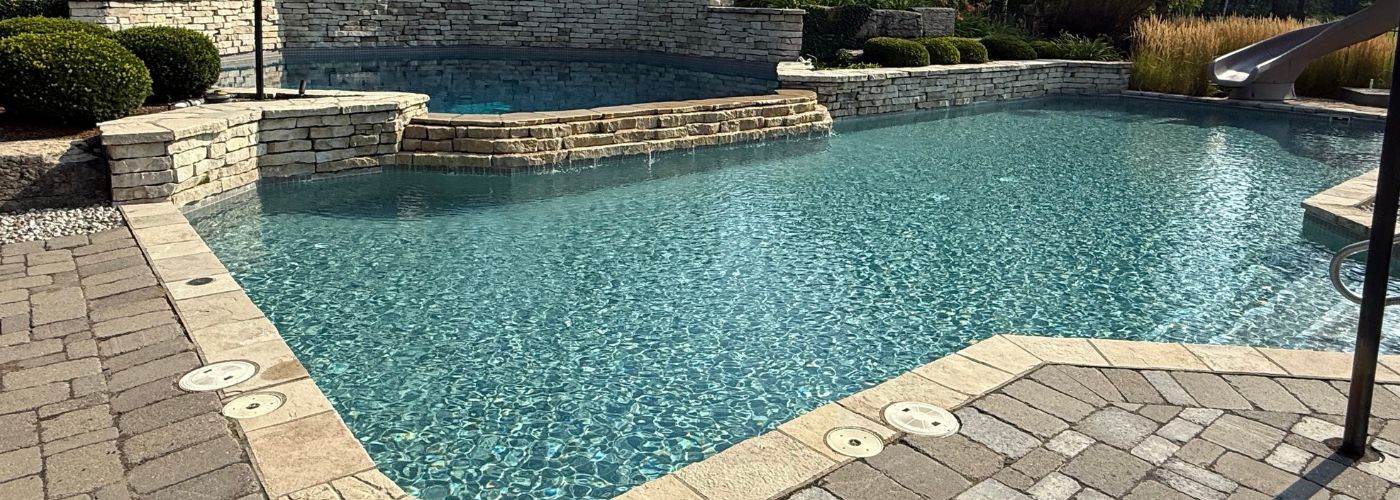
Material shortages or shipping delays can create unexpected interruptions that temporarily pause parts of the installation process. Even a small delay involving tile, equipment, or finishing materials can affect later stages of construction because many tasks depend on previous work being completed first.
Planning ahead and selecting materials early in the project can help minimize some of these delays. Contractors who maintain strong supplier relationships may also have better access to products and more flexibility when dealing with scheduling changes.
Clear communication about material availability helps homeowners better understand how product choices may influence the construction timeline.
Soil Conditions and Excavation Challenges on Installation
The condition of the soil on a property plays a major role in determining how smoothly excavation and construction will proceed. Excavation is one of the first major steps in pool installation, and unexpected underground conditions can sometimes create delays.
Rocky soil, unstable ground, buried debris, or high groundwater levels may require additional work before construction can continue safely.
Some properties are easier to excavate than others. Soft and stable soil generally allows construction crews to move quickly, while difficult terrain may require specialized equipment or additional reinforcement. Sloped properties may also need retaining walls or grading work to create a stable foundation for the pool structure.
Unexpected excavation challenges can increase both construction time and labor requirements during a pool installation project. In some cases, contractors may need to adjust the original design slightly to accommodate underground conditions discovered during excavation.
Although these issues can extend the timeline, addressing soil and excavation problems properly is essential for long-term durability and safety. Rushing through foundation work can create structural problems later, which is why experienced contractors carefully evaluate site conditions before moving forward with construction.
Weather Conditions Can Extend Pool Installation Timelines
Weather is another major factor that can influence the length of a pool installation project. Heavy rain, strong winds, extreme heat, or freezing temperatures can slow down construction and create unsafe working conditions for crews.
Outdoor construction projects depend heavily on favorable weather, especially during excavation, concrete work, and finishing stages.
Rain can delay excavation by creating muddy or unstable ground conditions that make equipment operation difficult. Concrete and surface finishes also require proper weather conditions to cure correctly. Extremely high temperatures may force crews to adjust working hours, while storms can interrupt scheduling and delay inspections.
Even well-planned pool installation projects may experience weather-related delays that are completely outside the contractor’s control. Seasonal weather patterns often affect scheduling, which is why many contractors recommend beginning projects during more predictable times of the year whenever possible.
While weather delays can be frustrating, protecting the quality of the installation is more important than rushing construction. Proper curing times, safe working conditions, and careful scheduling help ensure the finished pool performs well for many years.
Homeowners who remain patient and flexible during weather interruptions are more likely to have a smoother overall pool construction experience.
More to Read
What Causes Cracks in Swimming Pool Surfaces?
Cracks in a swimming pool can appear for several reasons, ranging from construction problems to
Oct
What To Consider Before Adding A Fire Feature Near Your Pool
A fire feature can completely change the look and feel of an outdoor living space,
Sep
How To Create A Resort-Style Backyard With a Custom Pool Installation
A beautiful outdoor space can feel like a private vacation destination when it is designed
Aug